Step 1: Find Your Training Program on AdmissionFP
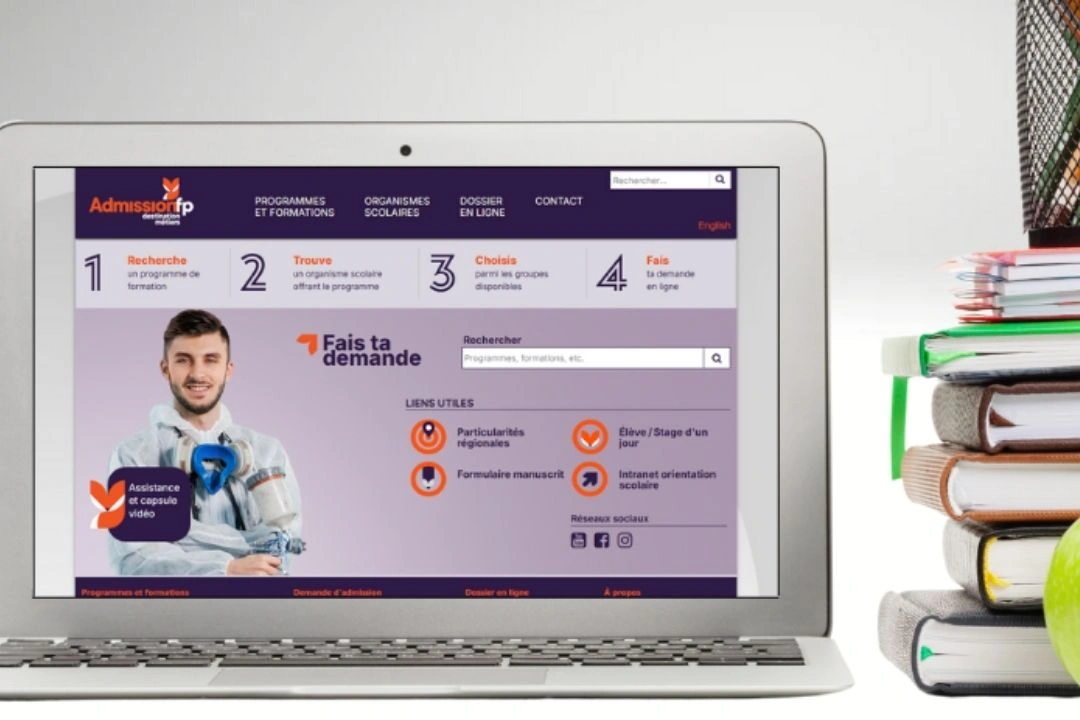
Before choosing an educational institution, start by exploring the skilled trades and occupations that interest you.
On Trouve ton métier, you can discover a variety of skilled trades and occupations, their main responsibilities, and what makes each one unique. Then visit Inforoute FPT to explore vocational training programs, their duration, and admission requirements.
AdmissionFP also allows you to search for training programs and the institutions that offer them. If you're applying from outside Canada, check directly with the institution to confirm the application procedures, tuition fees, and required documents.
Compare the language of instruction, prerequisites, start dates, program availability, and fees applicable to your student status. Program offerings and available training groups change over time, so contact the educational institution directly to confirm the application process for international students and how to obtain your admission letter.
With approximately 150 programs across 21 fields of study, there are plenty of options to explore.
If you've never studied in Québec, you can also obtain an acceptance letter from an educational institution by completing a paper application form available through AdmissionFP.
- AdmissionFP – Studying in Québec
Why Is Vocational Training a Great Choice in Québec?

Vocational training (VT) is often unfairly underestimated. Yet it is one of the cornerstones of Québec's education system, offering structured, supervised training programs designed to meet the realities and demands of the labour market.
Vocational training stands out for:
-
Programs focused on developing specific technical skills
-
Teaching methods that emphasize hands-on learning
-
Modern equipment and workshops designed for skilled trades
-
Instruction and guidance closely aligned with real-world workplace practices
-
Diplomas that are widely recognized by employers across Québec
For newcomers to Québec, this is a significant advantage: vocational training can help you quickly establish credibility with local employers by providing recognized qualifications that demonstrate skills they know, understand, and value.
Un vrai plus pour l’employabilité
Choosing a vocational training program generally means pursuing a career in a field where:
-
Employers are actively hiring
-
Skilled labour shortages are a real concern
-
Concrete job opportunities are available upon graduation
This is a significant advantage if you want to enter the workforce quickly, achieve financial stability, and build a new life in Québec.
Step 2: Obtain Your CAQ and Study Permit

Chosen your training program and received your acceptance letter? It's time to take care of the administrative requirements.
To enrol in a training program lasting more than six months in Québec, international students generally need to obtain a Québec Acceptance Certificate (CAQ) for studies and a federal study permit, unless an exemption applies. Once you've been accepted by a designated learning institution (DLI), review the requirements established by the Québec government, followed by those of Immigration, Refugees and Citizenship Canada (IRCC). Be sure to prepare the required proof of financial resources.
With your acceptance letter from the educational institution, you can submit an online application for temporary selection for studies to the Québec government to obtain a Québec Acceptance Certificate (CAQ).
- Apply for temporary selection to study in Québec
Once you've received the confirmation letter from the Ministère de l'Immigration, de la Francisation et de l'Intégration (MIFI) in your online account, or a paper copy of your CAQ, you must apply for a study permit through Immigration, Refugees and Citizenship Canada (IRCC).
- Obtain a study permit from the federal government
Step 3: Get Trained, Gain Experience, and Enter the Workforce
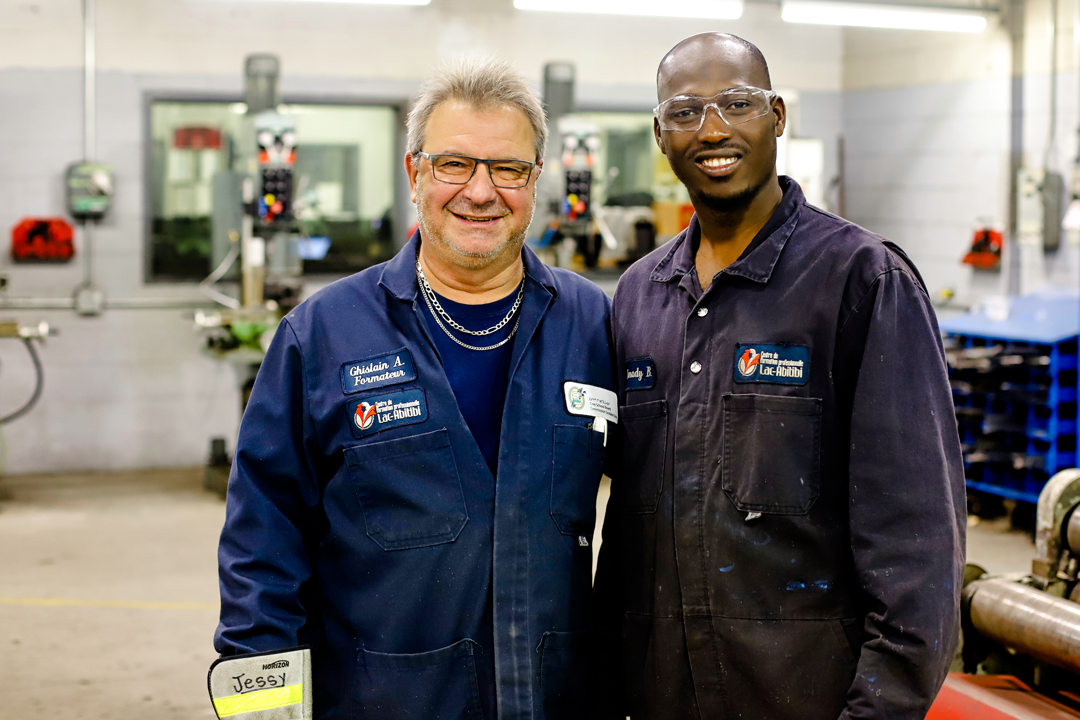
Now it's time to start your training!
The duration varies depending on the program you choose, but the goal remains the same: to quickly develop the practical skills needed to work in a skilled trade or occupation.
In vocational training, hands-on skills are at the heart of the learning experience. Training activities include:
-
-
Simulations of real-world tasks
-
-
Learning approaches that closely reflect workplace expectations
A Gateway to Québec's Job Market
For newcomers to Québec, the main challenge isn't just having the right skills. It's also gaining that first Canadian work experience.
Vocational training can help you overcome this challenge by allowing you to:
-
Build your first professional network
-
Gain experience in real workplace environments
-
Develop valuable work experience in Québec
-
Establish yourself in a well-structured industry
In many cases, the transition from training to employment can be relatively quick, as employers recognize the practical nature and relevance of the skills developed through vocational training.
Internships and hands-on learning activities can help you gain valuable experience. However, your ability to work in Québec also depends on your immigration status and, where applicable, the necessary work authorizations.
Earning a Diploma of Vocational Studies (DVS) does not automatically make you eligible for a Post-Graduation Work Permit (PGWP). Eligibility depends on several factors, including the educational institution, the training program, its duration, and the federal immigration rules in effect when you apply.
More Than a Diploma: A Pathway to Employment
Coming to Québec to pursue vocational training is about more than earning a diploma. It's also an opportunity to develop a concrete strategy for gradually entering Québec's job market.
Before planning your move, create a checklist covering the essentials: an eligible training program and educational institution, academic admission requirements, tuition fees, living expenses, study authorizations, and applicable work regulations.
Consult official government sources and ask the vocational training centre to confirm the steps relevant to your situation. You can then compare training programs and begin your application through AdmissionFP.
For newcomers seeking a hands-on career, practical training, a faster pathway to employment, and a clear, structured learning experience, vocational training can be a particularly attractive option.
Important: Earning a Diploma of Vocational Studies (DVS) in Québec does not automatically grant you the right to work in Canada after graduation.
Eligibility for a Post-Graduation Work Permit (PGWP) depends on several factors, including the educational institution, the training program, its duration, and other applicable federal requirements.
It is therefore essential to review the official eligibility criteria established by Immigration, Refugees and Citizenship Canada (IRCC) before beginning the application process.
To Sum Up
Studying and working in Québec requires preparation, but vocational training can make the journey considerably easier.
The three key steps:
-
Choose a training program aligned with labour market needs.
-
Apply for admission and prepare for your arrival in Québec.
-
Complete your training, gain practical experience, and enter the workforce.
Vocational training in Québec is recognized for its hands-on approach, high-quality programs, and strong connections to employers' needs. For newcomers, it can be a strategic choice, helping them develop job-ready skills, improve their employability, and integrate into Québec's workforce.